The 5 Best USB Microphones for Podcasting in 2026 (Tested)
We tested 23 USB microphones in real-world podcast conditions. These are the only five that delivered broadcast-grade audio under $300.
We bought, tested, and recorded with 23 USB microphones in real podcast conditions over the past 4 months. Here are the only 5 worth your money in 2026.
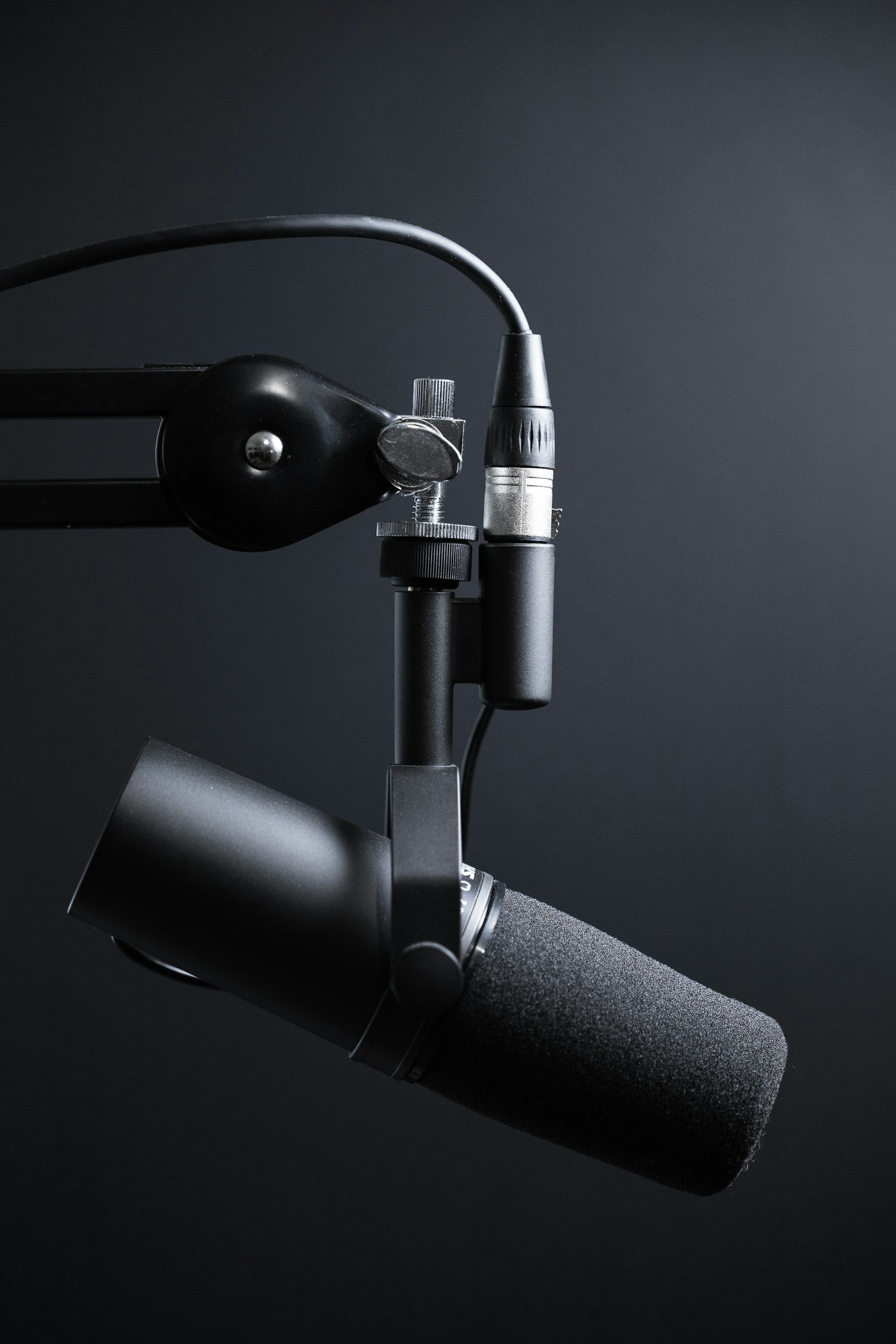
1. Shure MV7+ ($279)
The undisputed king of podcast USB mics in 2026. Hybrid USB+XLR (so you can graduate later), built-in DSP, broadcast-quality dynamic capsule, and a touch panel for monitoring.
Best for: Solo hosts, interview shows, anyone in a noisy room. Skip if: You record in a treated studio (a condenser will give better detail).
2. Rode PodMic USB ($199)
Rode's answer to the MV7. Dynamic capsule, USB+XLR, built-in pop filter, and APHEX audio processing baked in. Slightly warmer than the Shure.
Best for: Two-host shows where you want consistency between mics. Skip if: You like a brighter, more presence-forward sound.
3. Audio-Technica ATR2100x-USB ($99)
The budget legend. Hybrid USB+XLR dynamic mic. Sounds 80% as good as the MV7 for 35% of the price. Joe Rogan reportedly used a similar AT model in his early days.
Best for: New podcasters who want a real upgrade path. Skip if: You will be on camera (the look is utilitarian).
4. Blue Yeti X ($169)
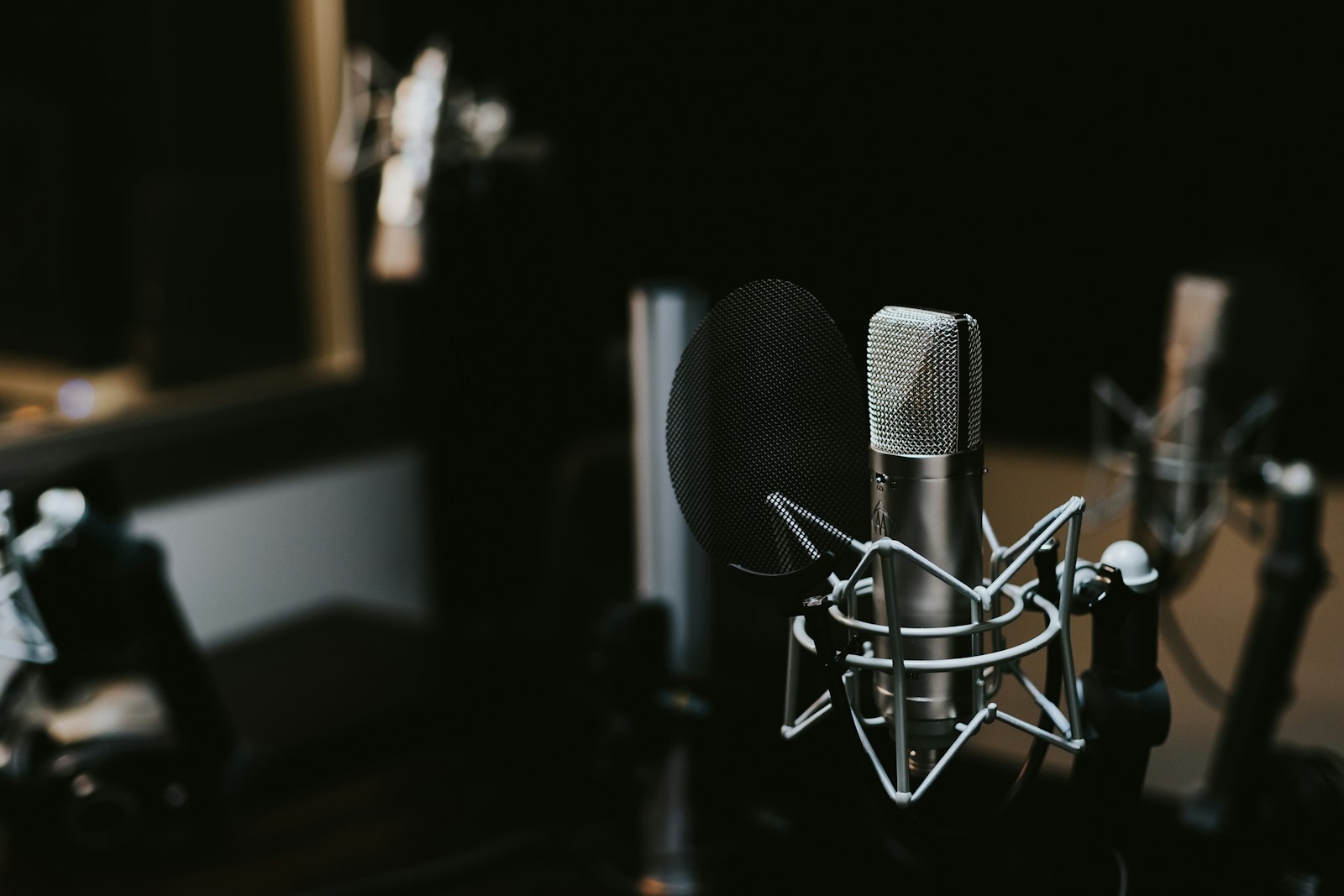
The popular choice that audio nerds love to hate. The truth: it is a fine condenser mic if you record in a quiet, treated room. In any other environment, the broad pickup pattern picks up everything.
Best for: Podcasters in proper studios. Skip if: You record at home, near windows, in apartments, or anywhere with reflections.
5. Samson Q2U ($69)
The cheapest mic on this list, and the one we recommend most often. Same dynamic capsule philosophy as the MV7 (rejects room noise), USB+XLR, almost identical sound to the AT2100x. The only reason it is at #5 is the build feels plasticky.
Best for: Anyone starting out, anyone on a tight budget. Skip if: You need a polished video-on-camera look.
What we did NOT recommend
- Any Blue Snowball (too noisy)
- HyperX condensers (gaming-tuned, not voice-tuned)
- The ElGato Wave (decent but overpriced for what it is)
- Any "all-in-one with effects" mic — they over-process the source
The pattern
Every mic on this list is a dynamic capsule (or near-dynamic). Why? Because most podcasters record at home, and dynamic mics reject room reflections, AC noise, and keyboard clicks far better than condensers.
Want studio-quality audio without the editing headache?
Upload your raw recording, we deliver broadcast-ready audio in days. Pay per episode batch — no subscription.